

When we think about liver health, most of us for a good reason jump straight to diet and alcohol. But, there’s another major factor that often gets overlooked: stress. Chronic stress doesn’t just affect your mood or sleep — it has very real, measurable effects on your liver function and overall metabolic health[1].
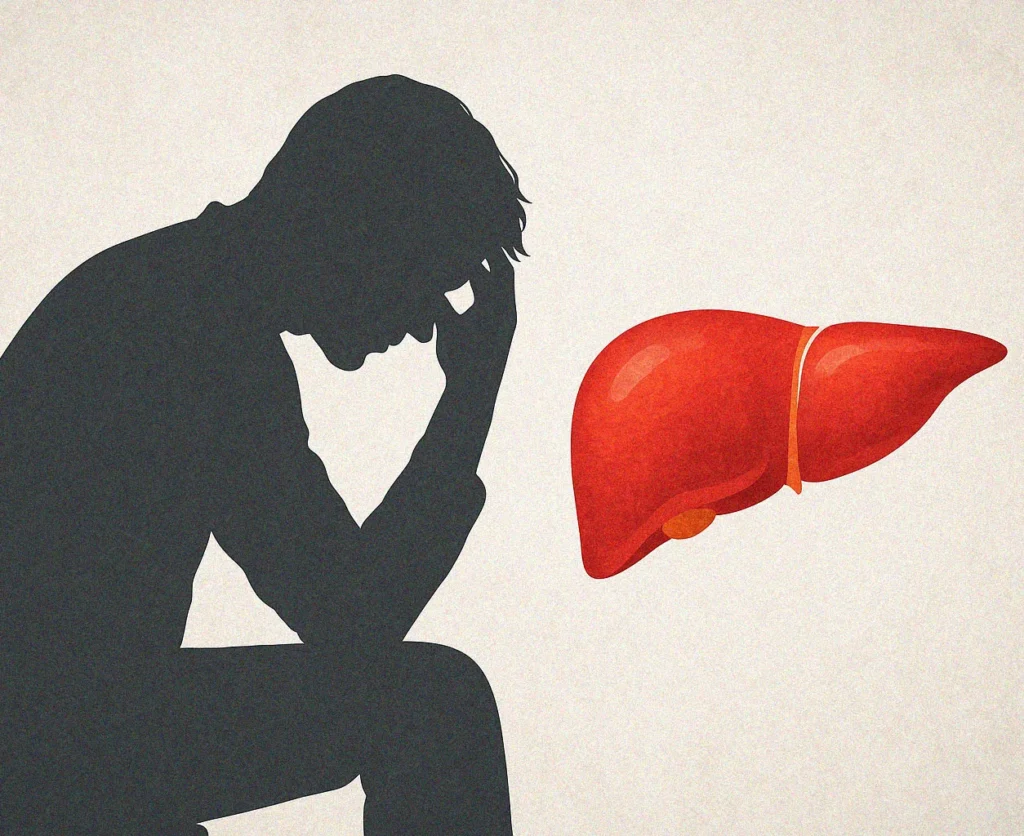
How Stress Impacts Your Liver
- Increases inflammation: Stress elevates cortisol levels, which can promote systemic inflammation and worsen conditions like non-alcoholic fatty liver disease (NAFLD)[2].
- Promotes fat accumulation: Chronic stress can disrupt hormonal balance and lead to visceral fat buildup — yes, including fat in the liver[3].
- Affects bile production: Stress may impair bile flow and digestion, reducing your liver’s ability to detoxify effectively[4].
- Weakens your immune defense: The liver plays a role in immune regulation — and stress suppresses the immune system, leaving the liver more vulnerable[5].
Warning Signs Your Liver Might Be Affected by Stress
If you’re under chronic stress, you might notice:
- Fatigue and low energy
- Bloating or digestive issues
- Brain fog
- Skin issues, like rashes or acne
- Fluctuating weight
While these symptoms aren’t exclusive to liver dysfunction, they’re worth paying attention to — especially if combined with poor diet or lack of sleep.
How to Protect Your Liver From Stress
1. Prioritize Sleep
Sleep is when your liver does much of its detox and repair work. Aim for 7–9 hours per night — poor sleep increases cortisol and liver burden[6].
2. Practice Mindfulness or Breathwork
Techniques like meditation, deep breathing, and progressive muscle relaxation have been shown to lower cortisol and reduce oxidative stress in the body[7].

3. Move Your Body Daily
Exercise reduces both liver fat and stress levels. A brisk walk, yoga, or cycling can improve both mental and liver health[8].

4. Support With Adaptogens
Herbs like ashwagandha and rhodiola may help regulate your stress response and protect your liver from cortisol-induced damage[9].
5. Eat a Liver-Supportive Diet
Foods rich in antioxidants — like leafy greens, berries, turmeric, and green tea — help your liver cope with the oxidative load that stress creates[10].
6. Limit Stimulants and Alcohol
Caffeine and alcohol can amplify your stress response and overburden your liver’s detox systems. If you’re feeling overwhelmed, try reducing coffee to 1 cup daily and avoid alcohol altogether — especially if you have or are at risk of NAFLD[11].
7. Create a Daily Rhythm
Your liver works in sync with your circadian rhythm. Try to eat at regular times, sleep consistently, and avoid late-night snacking. This helps reduce metabolic stress and improves liver function[12].
8. Journaling and Emotional Processing
Bottled-up emotions can perpetuate chronic stress. Keeping a daily journal or talking to a therapist can help process emotional triggers, indirectly benefiting your liver by reducing cortisol surges[13].
Liver–Mind Connection: It Goes Both Ways
Interestingly, poor liver health can also worsen mental health. Studies show that liver inflammation and fatty liver disease are associated with higher rates of depression and anxiety[14]. So the relationship between stress and liver health isn’t one-way, they influence each other in a loop.
Breaking this cycle requires an integrated approach: nutrition, stress management, sleep hygiene, and emotional balance. Supporting your liver isn’t just about avoiding sugar or fried food — it’s about creating a calmer internal environment where your body can regenerate and heal.
Frequently Asked Questions
Can stress really damage your liver?
Yes. Chronic stress raises cortisol levels, which can increase inflammation, disrupt fat metabolism, and impair your liver’s ability to detoxify efficiently. Over time, this can worsen conditions like fatty liver disease[1].
Does stress affect liver enzyme levels?
It can. Research shows that prolonged stress may contribute to elevated liver enzymes like ALT and AST, especially when combined with poor sleep or diet[2].
Can relaxing actually improve liver health?
Absolutely. Relaxation techniques like deep breathing, meditation, and exercise help lower cortisol, reduce inflammation, and support healthy liver function[7].
References
- Stress and Liver Function – NIH/PMC
- Cortisol and NAFLD Progression – PubMed
- Visceral Fat and Liver Health – NIH
- Stress and Gut–Liver Axis – PMC
- Liver and Immune Modulation – NIH
- Sleep and Liver Function – Sleep Foundation
- Breathing Techniques and Cortisol Reduction – PubMed
- Exercise and Stress Relief – Frontiers in Psychology
- Adaptogens and Liver Protection – NIH
- Antioxidant Foods and Liver Health – PMC
- Caffeine, Alcohol, and Liver Burden – NIH
- Circadian Rhythm and Liver Metabolism – NIH
- Emotional Stress and Liver Function – PubMed
- Liver Disease and Mental Health – PMC